


11 Apr 2023


Hikes and Setbacks in Sea Freight Costs
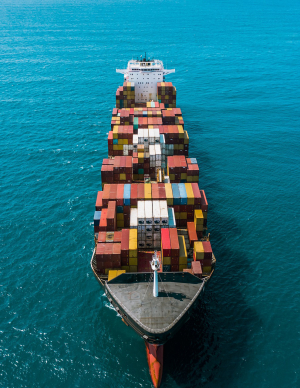
The ports of Los Angeles and Long Beach have been the epicenter of the congestion issue. The combination of a labor dispute, the new Panama Canal locks, and record volumes all contribute to the problem. As a result, the supply chain is seeing a negative impact. There is still a lot of uncertainty as to how long the congestion will last, but in the meantime, there is some evidence that freight volumes may be normalising.
Despite trading at a 16% discount to mid-September's peak, Asia and the West Coast continue to have an equal trade balance.
Carriers will, however, be forced to pay fuel surcharges due to the rising price of oil. This could result in an increase in ocean freight rates. During the first month of November, sea freight rates were just 1% lower than a year earlier, at $10,830/FEU. This means that pre-pandemic prices increased more than sevenfold.
Slower production in China and congestion at ports lowered the rate between Asia and Europe.
Institutional importers are also experiencing continuous cuts in addition to small shippers.
Several of the nation's largest retailers have chartered their own container ships to secure some ocean space. In order to avoid container ship delays, Coca-Cola transported 60 thousand tons of its shipment by bulk carrier instead of containers.
Speedshift | Pallet Shipping call 0845 519 0270
 UK Pallet Collection &

